
 USD
USD  CAD
CAD
Uncategorized
How Do I Know If My Moissanite Is Real?
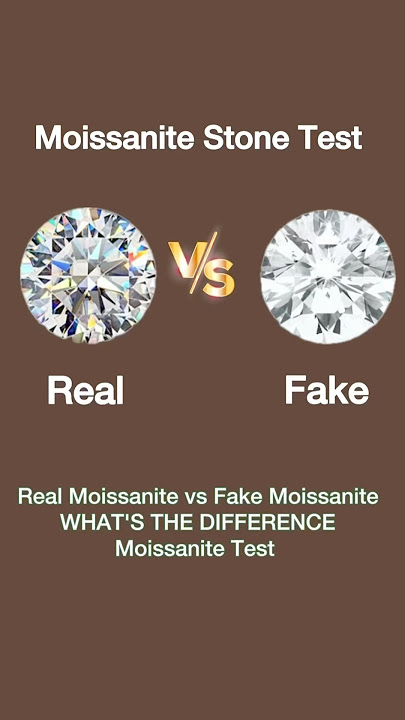
How Do I Know If My Moissanite Is Real?
Practical, safe tests you can perform at home. From sparkle clues to lab certificates — Aucelle’s straightforward guide.
How Do I Know If My Moissanite Is Real?
Practical, safe tests you can perform at home. From sparkle clues to lab certificates — Aucelle’s straightforward guide.
Quick Navigation
What is Moissanite?
Moissanite is a lab-grown gemstone, silicon carbide in composition, notable for its brilliance and fire. Originally discovered in a meteor crater, most moissanite used in jewelry today is created in a lab to consistent standards — which makes it affordable, durable, and a popular alternative to diamonds.
Look & Sparkle: How Moissanite Differs from Diamond
- Fire (rainbow flashes): Moissanite tends to show stronger colorful flashes than diamond.
- Brilliance: Moissanite often looks extra sparkly in direct light — more “disco ball” than diamond’s white sparkle.
- Double refraction: Under magnification, moissanite may show doubled facets because it is doubly refractive; diamond is singly refractive.
Safe At-Home Tests
Important: none of these tests are as conclusive as a lab report. They’re quick checks that may point you in the right direction.
- Sparkle / face-up look test: Compare your stone to a known diamond under daylight and indoor light. If it shows more rainbow flashes and very strong colorful sparkle, it may be moissanite. Not definitive, since cut and lighting matter.
- Loupe inspection (10× magnification): Look for doubled facets or doubled back facets — a moissanite clue. Also note inclusions, which differ from diamond’s patterns.
- Papers & receipts: Moissanite sellers often provide their own certificates, though these aren’t the same as an independent lab report.
Tests to Avoid — and Why
- Scratch tests: Can damage the stone or setting and are unreliable.
- Kitchen chemistry: Household acids or abrasives can harm mounts and finishes.
- Thermal testers only: Older models may mistake moissanite for diamond.
Using a Moissanite/Diamond Tester
A diamond tester is a portable device designed to differentiate between diamonds and other gemstones. Modern versions can also test for moissanite.
Testing process: The tester uses a heated metallic tip on the stone’s surface to measure conductivity. Results indicate whether the stone is diamond, moissanite, or an imitation like CZ.
Results: If more than nine indicator lights remain illuminated with a beep, the stone is likely a genuine diamond or moissanite. Fewer lights and no sound generally point to an imitation.
Pro tip: Many reputable retailers will test your stone for you free of charge or offer clear return policies.
When to See a Professional
If your jewelry has significant value, or you want absolute certainty, take the stone to a professional jeweler or send it to an accredited gem lab (like GIA or IGI). They can issue a formal identification report, which is the most reliable way to confirm authenticity.
FAQs
Q: Can moissanite be mistaken for a diamond?
A: Yes, moissanite’s optical properties are very close to diamond, which makes proper testing important.
Q: How durable is moissanite?
A: Moissanite ranks 9.25 on the Mohs scale, making it extremely durable and scratch-resistant.
Q: Can I clean moissanite with regular jewelry cleaners?
A: Yes, mild soap and water or commercial jewelry solutions are safe for moissanite.
Q: Does moissanite lose its sparkle over time?
A: No, moissanite retains its brilliance permanently with proper care.
Q: Is moissanite suitable for engagement rings?
A: Absolutely — it’s a popular choice thanks to its beauty, durability, and affordability.
Buying Tips & Certificates
Whenever possible, request documentation or a certificate with your moissanite purchase. While store certificates are common, independent lab reports are more reliable. If your stone doesn’t come with one, consider professional testing for peace of mind.

